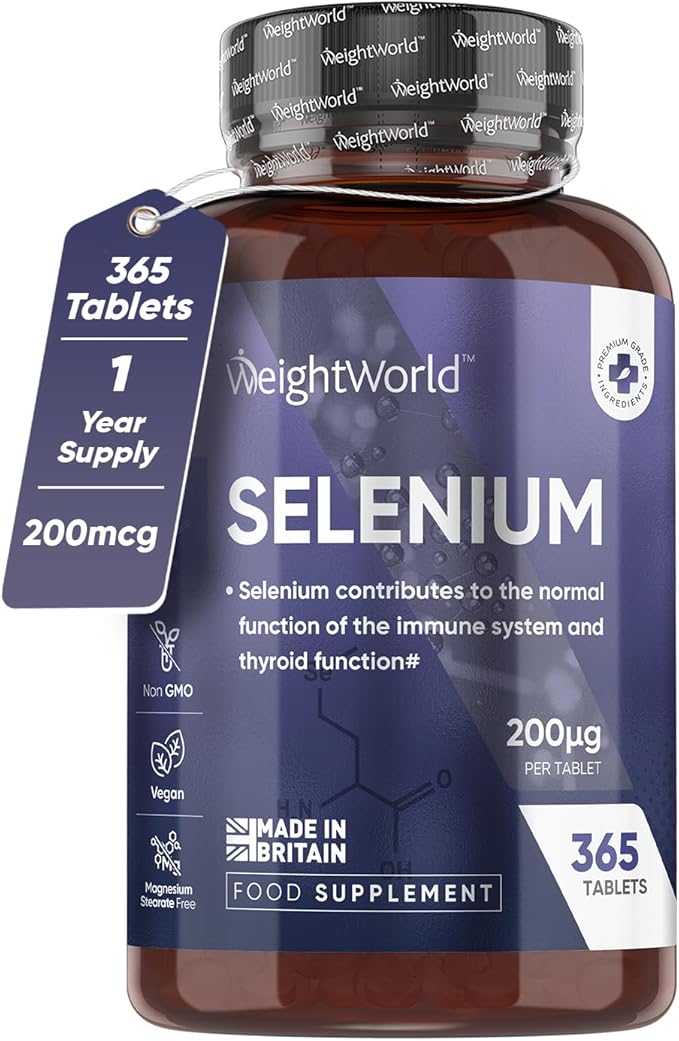
Purchase Selenium
A lack of selenium, a trace mineral essential for various bodily functions, can lead to a range of health issues, including impaired immune function, cardiovascular problems, thyroid dysfunction, and reproductive problems.
Here's a more detailed look at the potential consequences of selenium deficiency:
Health Issues Associated with Selenium Deficiency:
- Thyroid Dysfunction:
Selenium plays a vital role in thyroid hormone metabolism, and deficiency can contribute to thyroid problems like hypothyroidism.
- Reproductive Problems:
Selenium deficiency can affect both male and female fertility, potentially leading to infertility or difficulties in conceiving.
- Muscle Weakness and Pain:
Selenium deficiency can cause muscle weakness and pain, potentially leading to myopathy, or disease of muscle tissue.
- Cognitive Impairment:
Some studies suggest that selenium deficiency may be associated with cognitive decline and memory problems.
- Other Symptoms:
Other potential symptoms of selenium deficiency include fatigue, hair loss, brittle nails, and increased susceptibility to infections.
- Cardiovascular Problems:
Selenium deficiency has been linked to an increased risk of heart disease, including Keshan disease, a type of cardiomyopathy. - Immune System Impairment:
Selenium is crucial for a healthy immune system, and a deficiency can weaken the body's ability to fight off infections.
- Living in Areas with Low Selenium Soil:
Selenium levels in soil can vary, and people living in areas with low selenium soil may be at higher risk of deficiency.
- Certain Medical Conditions:
Individuals with conditions like HIV, Crohn's disease, or those undergoing dialysis may be more prone to selenium deficiency.
- Poor Diet:
A diet lacking in selenium-rich foods can lead to deficiency.
- Elderly Individuals:
Older adults may be at a higher risk of selenium deficiency due to changes in nutrient absorption and metabolism.